

 International Conference
Ecological Macroeconomics (ICEM2026)
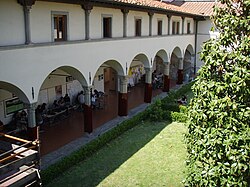
Venue: Santa Verdiana, Florence
10-12 September, 2026
Under the patronage of the University of Florence, ITA and International Society for Ecological Economics (ISEE) and The Ecohesion Collective (University of Pisa)



⚠️NEW DEADLINE: 30/04/2026
Call for Papers or Poster HERE: Note that you are required to upload 1 PDF file (Long abstract of max 3 pages, including references)
Call for Special Session HERE: If you are interested in proposing a closed special session, please complete this form and submit this template with all the required information. The proponent must ensure the participation of at least 3-4 speakers for the proposed call.
NOTE: If you have any issues in filling the form, please write to laura.colli1@unifi.it and c.colapietra@student.unisi.it to get instructions.
VENUE: Santa Verdiana, Piazza Lorenzo Ghiberti, 27, 50122 Florence (FI), ITA
DESCRIPTION
Ecological Macroeconomics is an emerging field at the intersection of macroeconomics, ecological economics and complexity science. It develops modelling frameworks that embed economies within biophysical limits, explicitly address inequality and social justice, and explore de- and post-growth futures through scenario analysis rather than optimisation.
This inaugural international conference aims to bring together scholars, early-career researchers, students, and practitioners working on ecological macroeconomic theory and modelling, with a particular interest in applications to the Global South and policy design for a just transition.
NOTE: The maximum capacity of the conference is 150 participants. In the case of equal scores in the review process, members of the International Society for Ecological Economics (ISEE) will be given priority.
Conference focus
The conference will explore the development and application of ecological macroeconomic models, including (but not limited to)*:
-
Epistemology and foundations of ecological macroeconomic modelling
-
Modelling post-growth and post-capitalist macroeconomic pathways
-
Environmentally extended input–output analysis (EEIO), especially applications in the Global South
-
Stock–Flow Consistent (SFC) models with ecological and distributional extensions
-
System dynamics approaches to climate, energy and social metabolism
-
Energy transition, social justice and employment
-
Climate change, biodiversity loss and raw materials constraints
-
Agent-based models (ABM) with macroeconomic and environmental applications
-
Policies and reflections from and for the Global South
- Post Normal Science
🎤 Keynote Speakers:

Prof. Xi Ji (School of Economics, Peking University, China)
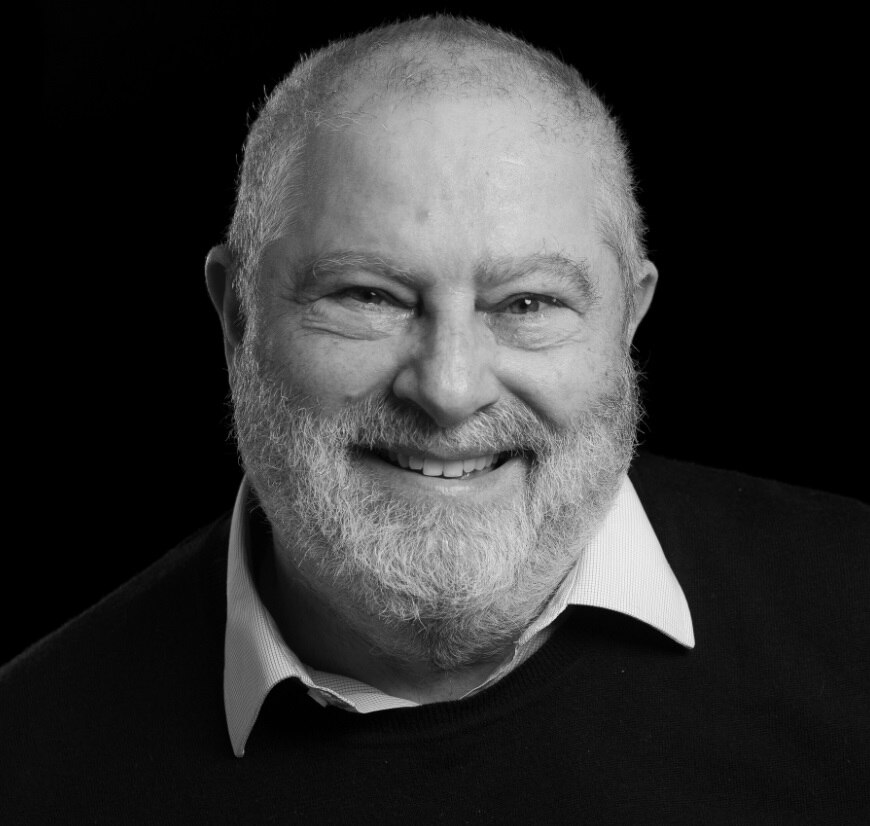
Prof. Mario Giampietro (ICREA, Spain)
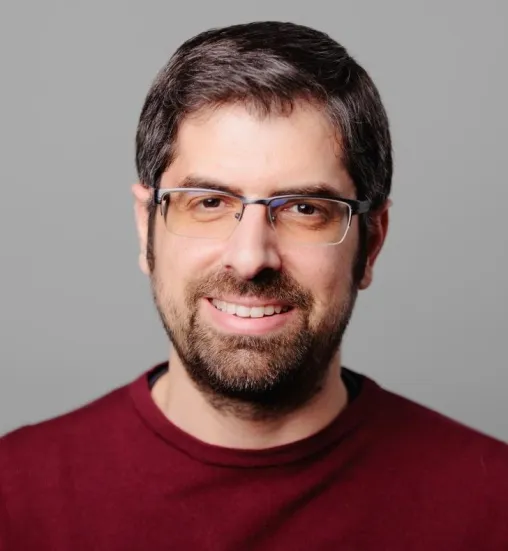
Prof. Yannis Dafermos (SOAS University of London, UK)
Local Organising Committee (LOC)
- Chair: Tiziano Distefano (University of Florence, ITA) — tiziano.distefano@unifi.it
- Vice-chair: Laura Colli (University of Florence, ITA) — laura.colli1@unifi.it
- Mauro Pinto (University of Campania – Vanvitelli)
- Guilherme Morlin (University of Pisa, ITA)
- Vinicius Centeno (University of Florence, ITA)
- Leonardo Paoli (University of Florence, ITA)
- David An (University of Florence, ITA)
- Mario Biggeri (University of Florence, ITA)
- Leonardo Boncinelli (University of Florence, ITA)
- Simone D’Alessandro (University of Pisa, ITA)
- Cristina Colapietra (University of Pisa, ITA)
🔗 Here is all the information for the related Summer school in “Ecological Macroeconomics Modelling & Global South” (7-9/09/2026)
IMPORTANT DATES
ACCEPTANCE: by 10 May 2026
REGISTRATION for PRESENTERS
EARLY BIRD From 15 May 2026 to 15 June 2026:
Scholar’s full fee: €250
Students: €150
LATE REGISTRATION: From 16 June 2026 to 30 June 2026:
Scholar’s full fee: €300
Students: €200
REGISTRATION for LISTENERS (will be opened in June)
Only attendance: free
Package with catering facilities: €100
Package with catering facilities + social dinner: €150
COSTS
The registration fees cover lunches, coffee breaks and the social dinner. Meals will be vegetarian and vegan (please look here for the reasons for this choice).
All other expenses are the responsibility of the participants and will be paid by them.
ACCOMMODATION
Participants are responsible for finding and booking their accommodation. HERE you can find a list of suggested accommodations together with Hotel Bonifacio (write to info@hotelbonifacio.it specifying that you are coming for an event linked with the University of Florence).
We recommend that you book your accommodation as soon as possible!
Scientific Board
- Tiziano Distefano (University of Florence, ITA)
- Laura Colli (University of Florence, ITA)
- Guilherme Morlin (University of Pisa, ITA)
- Vinicius Centeno (University of Florence, ITA)
- David An (University of Florence, ITA)
- Simone D’Alessandro (University of Pisa, ITA)
- Santiago Arango Aramburo (Universidad Nacional de Colombia, Medellín, UNAL)
- Xi Ji (School of Economics, Peking University, China)
- Carey King (University of Texas at Austin, USA)
- Jefim Vogel (University of Barcelona)